

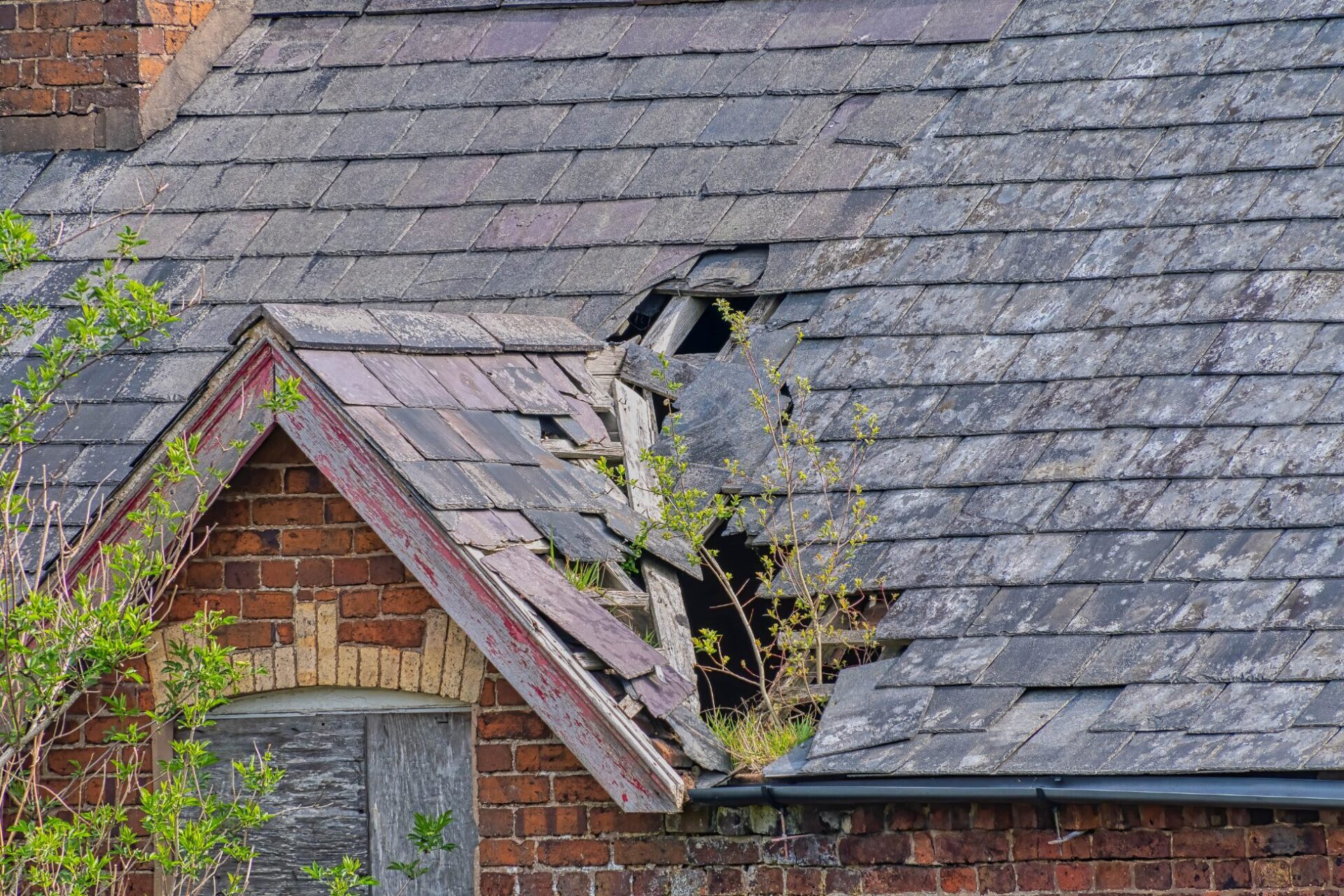
Don’t Let Your Roof Become a Halloween Horror Story: 7 Scary Roofing Problems to Watch For
Halloween decorations, spooky costumes, and haunted houses are part of the fun in October. However, discovering unexpected roof damage is one Halloween surprise no homeowner wants.
As Vancouver enters its wetter and colder months, roofing problems can become more noticeable. Heavy rainfall, falling leaves, strong winds, and trapped moisture can expose weaknesses in your roofing system. A small issue left unattended in the fall may lead to more expensive repairs during winter.
Recognizing the signs of urgent roofing problems can help you protect your home and prevent further damage. From missing shingles to hidden leaks, here are seven roofing issues Vancouver homeowners should watch for this Halloween season.

1. Missing or Damaged Shingles
Missing or damaged shingles are common roofing problems after strong winds and heavy rainfall. Shingles protect the underlying roof structure from moisture, so even a small damaged area can increase the risk of water entering your home.
During fall, wind and rain can make existing shingle damage worse. Older shingles may also become brittle, cracked, or loose.
Common warning signs include:
- Missing shingles or exposed sections of the roof
- Cracked, curled, or lifted shingle edges
- Shingle granules collecting in gutters
- Pieces of roofing material scattered around your property
Damaged shingles should be repaired before prolonged rainfall causes further problems. If water reaches the roof decking or surrounding materials, repairs may become more extensive.
For homeowners needing roof repair in Vancouver, a professional inspection can help determine whether individual shingles can be replaced or a larger section needs attention.

2. Clogged Gutters: A Halloween Horror Story Waiting to Happen
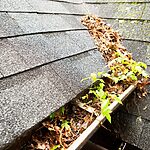
Falling leaves may look beautiful during autumn, but they can create drainage problems when they collect inside your gutters.
Gutters direct rainwater away from your roof and the areas surrounding your home. When leaves, moss, twigs, and other debris block the system, water may overflow instead of flowing through the downspouts.
Clogged gutters can contribute to several problems:
- Water overflowing near fascia boards and soffits
- Moisture collecting around exterior walls
- Water pooling near the foundation
- Additional weight from wet leaves and standing water
These problems are especially concerning during Vancouver’s rainy season, when gutters must handle frequent rainfall.
Scheduling gutter cleaning in Vancouver is an important part of fall roof maintenance. Removing debris and clearing downspouts helps keep rainwater moving away from your property.
Homes surrounded by trees may need more frequent gutter cleaning during autumn, particularly after heavy winds.

3. Mysterious Water Stains and Roof Leaks
Discovering an unexplained water stain on your ceiling can be a sign of a roofing problem.
A brown or yellow stain, damp insulation, or peeling paint may indicate moisture entering your home. However, the visible stain may be some distance from the source of the leak.
Water can travel along roof decking, framing, and other building materials before appearing inside a room. This makes the source difficult to identify without an inspection.
Watch for these warning signs:
- Water stains on ceilings or walls
- Damp spots around skylights or chimneys
- Peeling paint or bubbling drywall
- Dripping water during rainfall
- Musty odours in upper rooms or attic spaces
Roof leaks are among the urgent roofing problems that require prompt attention. Continued moisture exposure can damage insulation, ceilings, and wooden structures.
If you discover a leak, move valuable belongings away from the affected area and collect dripping water where it is safe to do so.
Contact a professional offering roof repair in Vancouver to identify the source and assess the necessary repairs. Avoid climbing onto a wet roof or attempting repairs during a storm.

4. Moss and Algae Taking Over Your Roof
Vancouver’s damp climate creates favourable conditions for moss and algae growth, particularly on shaded roofing surfaces.
Moss commonly develops where moisture remains for extended periods. Thick moss growth can hold moisture against roofing materials and interfere with drainage.
On asphalt shingle roofs, moss may also lift shingle edges, making them more vulnerable to wind-driven rain.
Algae typically appears as dark streaks or discolouration. Although algae is often a cosmetic concern, its presence may indicate areas that remain damp.
Signs that your roof needs attention include:
- Thick green moss growing between shingles
- Moss collecting around roof valleys
- Dark streaks across roofing surfaces
- Debris and organic growth restricting drainage
Regular roof maintenance in Vancouver can help control moss before it causes further problems.
Professional roof cleaning methods should be suitable for the roofing material. Aggressive pressure washing or scraping can damage asphalt shingles and other roofing components.
Including moss removal assessments in your fall roof maintenance routine can help protect your roof.

5. Damaged Flashing Around Roof Penetrations
Roof flashing is installed around areas where the roofing system meets another structure or component. Common locations include chimneys, skylights, plumbing vents, and roof-to-wall connections.
Flashing directs water away from vulnerable joints and helps prevent moisture from entering gaps.
Over time, flashing can become loose, corroded, or damaged. Sealants around these areas may also deteriorate, allowing water to enter during rainfall.
Warning signs include:
- Loose or bent metal flashing
- Rust or corrosion around flashing components
- Cracked or deteriorated sealant
- Water stains near chimneys or skylights
Flashing problems can be difficult to identify from the ground because damage may be small or hidden beneath surrounding roofing materials.
A professional roof inspection in Vancouver can help identify damaged flashing and determine whether repairs are necessary.
Addressing flashing problems before winter is important because repeated rainfall can expose weak connections and increase the risk of leaks.

6. Sagging Roof Areas
A sagging roofline is one of the more serious warning signs homeowners should never ignore.
A roof should maintain the shape intended by its structural design. Noticeable dips, uneven sections, or changes in the roofline may indicate problems with the roof decking or supporting structure.
Possible causes include prolonged moisture damage, deteriorating wood, structural movement, or excessive loads.
Look for these signs:
- Visible dips along the roofline
- Uneven or sagging sections of roof decking
- Bowed structural members visible in the attic
- New cracks or movement around supporting areas
Sagging does not always mean the roof is about to collapse, but it requires prompt professional assessment.
Unlike minor surface damage, structural roofing problems may involve more than replacing shingles or repairing flashing.
If you notice a significant change in your roof’s shape, avoid walking on the affected area and arrange a professional roof inspection in Vancouver. If there are signs of imminent collapse, keep people away from the affected area and seek emergency assistance.
A qualified Vancouver roofing contractor can assess visible damage and recommend further structural evaluation when necessary.

7. Attic Moisture and Poor Ventilation
Some roofing problems develop inside the attic, where homeowners rarely look.
Attic ventilation helps manage heat and moisture within the roof space. When ventilation is inadequate, warm, moisture-laden air can accumulate and condense on colder surfaces.
During Vancouver’s cooler months, condensation may become more noticeable as indoor and outdoor temperatures differ.
Excess moisture can contribute to mould growth, damp insulation, and deterioration of wooden components.
Common signs of attic moisture problems include:
- Condensation on roofing nails or roof decking
- Damp or discoloured insulation
- Musty smells inside the attic
- Mould-like growth on wooden surfaces
- Visible moisture around roof framing
Attic moisture does not always indicate a roof leak. Poor ventilation, air leakage from heated living spaces, and indoor humidity can also contribute to condensation.
A roof inspection in Vancouver can help identify visible moisture concerns and determine whether additional ventilation or insulation assessments are needed.
Proper roof maintenance in Vancouver should include checking exterior roofing materials and monitoring conditions inside the attic.
How a Fall Roof Inspection Can Prevent Winter Surprises
Fall is a good time to assess your roof before Vancouver experiences extended periods of winter rainfall.
A roof may appear to be in good condition from the ground while problems develop around flashing, drainage areas, and roof penetrations.
Scheduling a professional roof inspection in Vancouver can help identify these issues before they lead to water damage or expensive repairs.
Depending on the roof type and accessibility, a fall inspection may include:
- Checking shingles and roofing materials for visible damage
- Examining flashing around chimneys, vents, and skylights
- Assessing gutters, downspouts, and roof drainage
- Looking for moss growth and accumulated debris
- Identifying visible signs of moisture or deterioration
- Checking areas where water may collect
Fall roof maintenance also gives homeowners an opportunity to address smaller repairs before winter.
You can help maintain your roof by checking for visible damage from the ground, keeping accessible drainage areas clear, and watching for moisture stains on indoor ceilings.
Professional inspections are particularly useful for older roofs, properties surrounded by large trees, and homes that have experienced previous leaks.
When to Call a Vancouver Roofing Contractor
Some roofing concerns can be addressed through routine maintenance, while others require prompt professional attention.
Contact a Vancouver roofing contractor when you notice missing shingles, recurring leaks, damaged flashing, significant moss growth, or unexplained moisture inside your home.
More serious concerns, including sagging roof sections, active water intrusion, and extensive storm damage, should be assessed as soon as possible.
When choosing a roofing contractor, ask about their experience with your roofing material, the inspection process, and the repairs they recommend.
An experienced contractor should explain the condition of your roof and help you understand whether maintenance, targeted repairs, or replacement is the appropriate option.
All Coast Roofing provides roofing services for residential, commercial, and strata properties in Vancouver. Our team can assess roofing concerns, identify visible damage, and recommend suitable repair or maintenance options.
If your roof is showing signs of trouble this Halloween season, contact All Coast Roofing to discuss your concerns and arrange an inspection.
Frequently Asked Questions
Q: What are the most common urgent roofing problems?
A: Common urgent roofing problems include active roof leaks, missing or damaged shingles, deteriorated flashing, and significant storm damage. Sagging roof sections and water entering the attic or living areas also require prompt professional attention.
Q: When should I schedule a roof inspection in Vancouver?
A: Fall is a good time to schedule a roof inspection in Vancouver before prolonged winter rainfall. You should also arrange an inspection after severe storms or when you notice leaks, missing shingles, or visible roof damage.
Q: How often should I have my roof inspected?
A: An annual professional roof inspection is a useful maintenance guideline for many Vancouver properties. Older roofs, roofs with previous leaks, and properties exposed to severe weather may require more frequent inspections.
Q: Is gutter cleaning part of fall roof maintenance?
A: Yes. Gutter cleaning is an important part of fall roof maintenance because it removes leaves, moss, and debris that can restrict drainage. Clean gutters help direct rainwater away from your roof and exterior walls.
Q: What should I do if I discover a roof leak?
A: If you discover a roof leak, move belongings away from the affected area and collect dripping water if it is safe. Contact a roofing contractor promptly to identify the source. Avoid climbing onto the roof or attempting repairs during wet or windy conditions.
Q: Can moss damage my roof?
A: Yes. Heavy moss growth can trap moisture against roofing materials and may lift asphalt shingle edges. Professional cleaning and regular roof maintenance can help control moss while reducing the risk of damage from unsuitable cleaning methods.
Q: How can I prepare my roof for Vancouver’s winter weather?
A: Schedule a fall roof inspection, clean your gutters, and address damaged shingles or flashing. Check for signs of attic moisture and keep roof drainage areas clear of debris. Completing necessary repairs before winter can reduce the risk of leaks during heavy rainfall.