

Synthetic Roof Tiles vs. Cedar, Slate and Clay: Which Roofing Material Should You Choose?
A roof does more than protect your home—it plays a major role in its overall appearance and long-term value. In Greater Vancouver, where rain, moisture, and changing weather are part of everyday life, choosing the right roofing material is especially important. From the natural character of cedar and slate to the timeless appeal of clay and the modern performance of synthetic roof tiles, homeowners have more options than ever.
Cedar shake, natural slate, and clay tile have long been popular choices for homeowners who want a distinctive, premium look. Today, synthetic roof tiles offer another option: the appearance of traditional roofing materials combined with modern durability and lower-maintenance performance.
The best choice will depend on what matters most for your home, from the look you want to the material’s durability, maintenance needs, weight, cost, and ability to withstand Greater Vancouver’s climate. Let’s take a closer look at the key factors that can help you choose the right roofing material.

What Are Synthetic Roof Tiles?
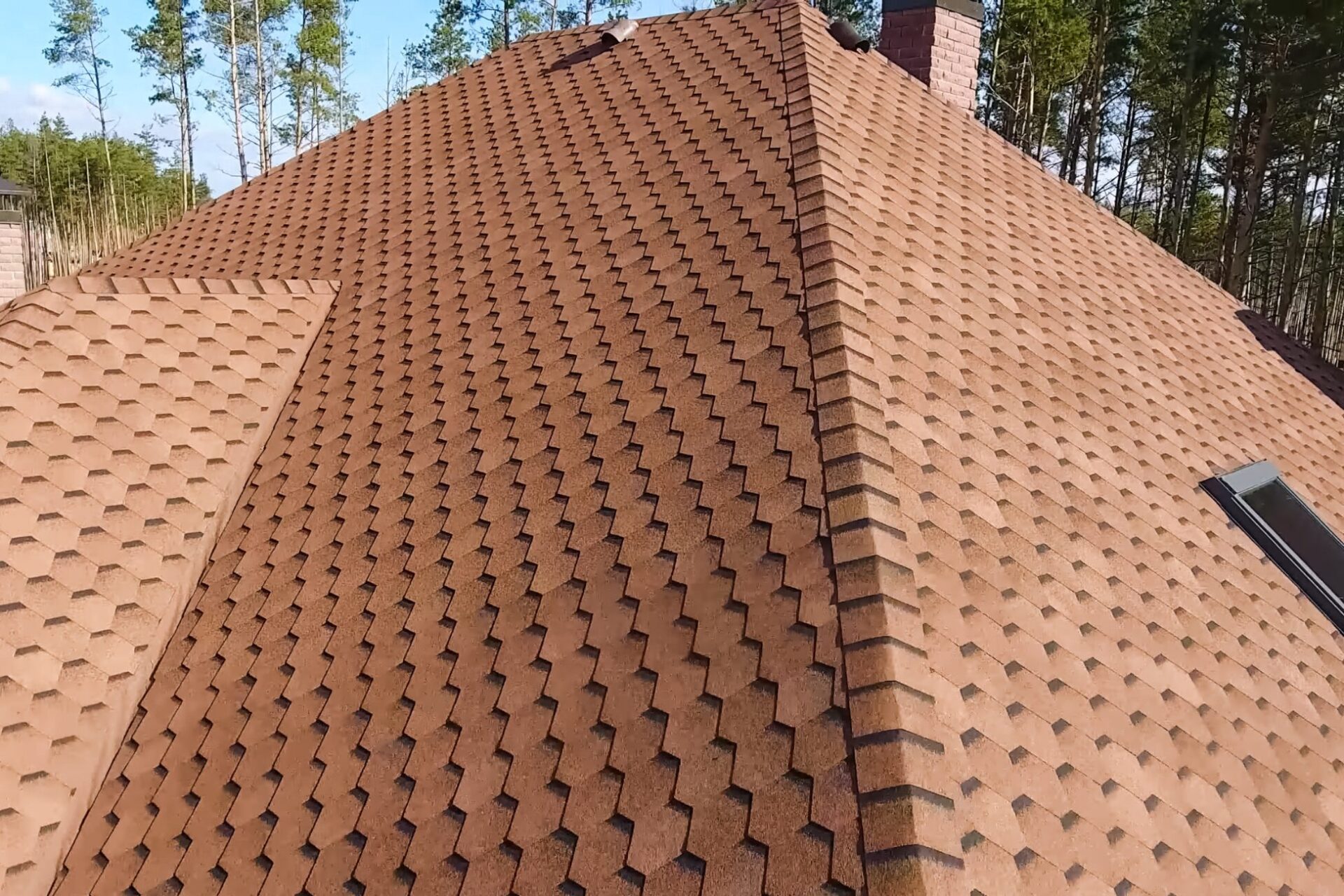
Synthetic roof tiles are engineered roofing products designed to replicate the look of traditional materials such as cedar shake, natural slate, and clay tile. Rather than using natural wood, stone, or clay, synthetic roofing is made from durable engineered materials that recreate the texture, colour, and character of these classic roofing styles while offering the benefits of modern manufacturing.
One option now available through All Coast Roofing is Brava Roof Tile, a premium synthetic roofing system designed to capture the texture and visual depth of traditional roofing. Brava offers Cedar Shake, Slate, and Spanish Tile styles, allowing homeowners to achieve a traditional architectural look without necessarily taking on all of the maintenance considerations associated with natural materials.
Synthetic Roof Tiles vs. Cedar Shake
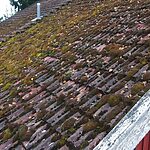
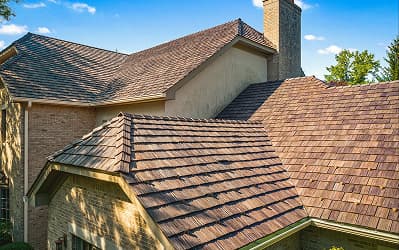
Cedar shake remains a classic choice across British Columbia, particularly on homes where a natural, West Coast aesthetic is important. While real cedar offers authentic texture and colour variation that many homeowners love, wood requires ongoing care. Additionally, prolonged exposure to moisture contributes to splitting, weathering, moss and deterioration, making regular inspection and maintenance important and an ongoing cost in an incredibly wet climate like Greater Vancouver.
A synthetic cedar shake provides a cedar-inspired appearance without the use of natural wood. Brava’s Cedar Shake profile is designed to provide an authentic wood look while resisting the common issues of the material such as splitting, rot and insects.
Synthetic Roof Tiles vs. Natural Slate
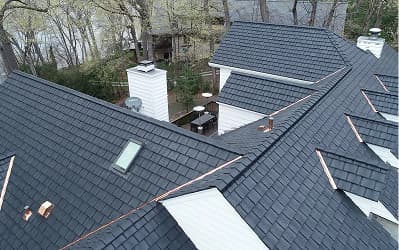
Natural slate has a timeless look that adds character to a home. Since each tile is cut from natural stone, colour, texture, and pattern can vary, giving every slate roof a unique appearance. The trade-off? Slate is a heavy material that requires experienced installation, and individual tiles can be susceptible to damage. When repairs are needed, matching replacement tiles to the existing roof can also take extra care. Moreover, a synthetic slate roof is designed to reproduce the look of natural slate while reducing some of the practical challenges associated with traditional stone. Brava Slate, for example, is engineered to provide a natural slate appearance with impact resistance and a long-lasting colour and finish. This provides added value to homeowners who love the look of slate but want a lighter, engineered alternative.
Synthetic Roof Tiles vs. Clay Tiles
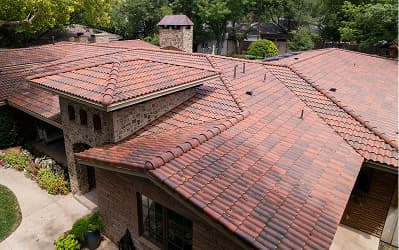
Clay tile brings a distinctive character to homes with Spanish, Mediterranean, and European-inspired architecture. You can see this style woven into the eclectic mix of older Vancouver neighbourhoods, where unique rooflines and architectural details help give areas like Kerrisdale, Shaughnessy, and Kitsilano their character. The warm tones and curved profiles of clay tile can add plenty of curb appeal while complementing these established home styles.
Brava Spanish Tile recreates the familiar clay-tile profile in a lightweight synthetic format. The product is designed to resist cracking and fading while providing the beloved character of traditional Spanish tile, which makes it a practical choice for homeowners who want the look of clay without the added weight and maintenance considerations.
How Do These Roofing Materials Handle Vancouver Weather?
Greater Vancouver’s weather puts roofing materials through a unique test, with rain, humidity, moss, wind, UV exposure, and seasonal temperature changes all affecting a roof over time. Natural wood can weather and absorb moisture, making regular maintenance especially important, while natural slate offers exceptional durability but comes with added weight and potentially specialized repairs. Clay is another durable option, though individual tiles can be vulnerable to cracking. Quality synthetic roofing is engineered with these conditions in mind. Brava, for example, is designed for Pacific Northwest conditions, including rain, wind, moss, and temperature swings, with resistance to moss, algae, UV exposure, impact, and fire. Of course, the roofing material is only part of the equation—proper installation, flashing, ventilation, underlayment, drainage, and workmanship all play an important role in how a roof performs over the long term.
Maintenance and Long-Term Durability
Every roofing material requires some level of maintenance, but the amount and type of upkeep can vary significantly. Cedar requires regular care to help protect it from moisture, weathering, moss, and deterioration, while slate and clay can offer excellent longevity but require specialized repairs if individual tiles are damaged. Synthetic roof tiles are designed to reduce many of these maintenance concerns while still delivering the look of traditional roofing materials. For Greater Vancouver homeowners, that can mean spending less time dealing with the effects of years of rain, moss, and exposure while still getting a premium architectural finish.

Choosing a Roofing Style for Your Vancouver Home
In our expert opinion, the best roofing material should complement the architecture of your property.
- Cedar look: Ideal for Craftsman, West Coast, and traditional homes where warmth and natural character are priorities.
- Slate look: A strong choice for homeowners who prefer a refined, classic appearance that works well with both traditional and contemporary architecture.
- Spanish/clay look: Well suited to Mediterranean, Spanish, and European-inspired homes where the roof is an important architectural feature.
With synthetic roofing, homeowners don’t necessarily have to choose between style and
practicality. Brava offers all three looks through one engineered roofing system.
Are Brava Synthetic Roof Tiles Right for Your Home?
All Coast Roofing now installs Brava Roof Tile for homeowners looking for premium synthetic roofing in Greater Vancouver. The system is available in three styles: Cedar Shake, Slate, and Spanish Tile.
Brava is designed to combine traditional architectural character with modern performance, including durability, impact resistance, and resistance to moss, algae and UV exposure. The tiles also use recycled materials as part of their sustainability approach. So, whether you’re replacing an aging cedar roof in North Vancouver, updating a home in Burnaby, or planning a roof replacement elsewhere in Greater Vancouver, All Coast Roofing can help you compare the available options and determine which style and roofing system make sense for your property.
Get Expert Roofing Advice in Greater Vancouver
Not sure whether cedar, slate, clay, or synthetic roof tiles are the right fit for your Vancouver home? All Coast Roofing can help you compare your options and choose a roofing system that suits your home’s style, performance needs, and Vancouver’s climate.
Contact All Coast Roofing for a free estimate and explore the Brava Roof Tile options available for your home.
Frequently Asked Questions
Q: Are synthetic roof tiles good for Vancouver’s climate?
A: Yes. Synthetic roof tiles are a great option for Vancouver homes because they’re engineered to handle the moisture, rain, wind, and temperature fluctuations of the region. Brava Roof Tile is designed specifically with Pacific Northwest conditions in mind, offering resistance to moss, algae, UV exposure, impact, and fire.
Q: What is the difference between synthetic cedar shake and real cedar?
A: Real cedar is a natural wood product with authentic variation and character, but it requires ongoing maintenance and can be affected by moisture and weathering. Synthetic cedar shake is engineered to recreate the appearance of cedar while offering greater resistance to issues such as splitting, rot, and insects.
Q: Do synthetic slate roof tiles look like real slate?
A: Yes. Quality synthetic slate is specifically manufactured to reproduce the appearance, texture, and profile of natural slate. Brava Slate is designed to provide a natural slate appearance with engineered performance.
Q: What types of Brava roof tiles does All Coast Roofing install?
A: All Coast Roofing installs three Brava styles: Cedar Shake, Slate, and Spanish Tile.
Q: How do I choose between synthetic roof tiles, cedar, slate, and clay?
A: Start with the basics: what suits the style of your home, how much maintenance you’re willing to take on, and how the material will hold up in Vancouver’s wet climate. From there, factors like roof structure, weight, durability, and overall cost can help narrow down your options. A roofer can also take a look at your home and help you weigh the pros and cons of each material.